Archives
- 2026-10
- 2026-09
- 2026-08
- 2026-07
- 2026-06
- 2026-05
- 2026-04
- 2026-03
- 2026-02
- 2026-01
- 2025-12
- 2025-11
- 2025-10
- 2025-09
- 2025-03
- 2025-02
- 2025-01
- 2024-12
- 2024-11
- 2024-10
- 2024-09
- 2024-08
- 2024-07
- 2024-06
- 2024-05
- 2024-04
- 2024-03
- 2024-02
- 2024-01
- 2023-12
- 2023-11
- 2023-10
- 2023-09
- 2023-08
- 2023-07
- 2023-06
- 2023-05
- 2023-04
- 2023-03
- 2023-02
- 2023-01
- 2022-12
- 2022-11
- 2022-10
- 2022-09
- 2022-08
- 2022-07
- 2022-06
- 2022-05
- 2022-04
- 2022-03
- 2022-02
- 2022-01
-
Computational approaches such as docking and classical molec
2022-05-05
Computational approaches such as docking and classical molecular dynamics (MD) are now commonly used to study the structure and dynamics of proteins as well as associated protein-ligand interactions [12]. A fundamental requirement of MD in order to accurately determine the behavior of a protein over
-
This profound cell type specificity of G
2022-05-05

This profound cell-type specificity of G9a/GLP complex modulation of neuronal plasticity is accentuated by studies employing genetic ablation of G9a in dopamine 1 receptor (Drd1)- and dopamine 2 receptor (Drd2)-expressing medium spiny neurons (MSNs) in the nucleus accumbens (NAc). Conditional G9a k
-
The measured ROcc values and mg kg respectively
2022-05-05
The measured ROcc50 values (4.8 and 42 mg/kg, respectively) were lower than those estimated from the mouse free ESI-09 mg concentrations (0.4 and 9.3 mg/kg for the sigma-1 and histamine H3 receptor, respectively) or rat CSF levels (0.65 and 4.5 mg/kg, respectively). This discrepancy is almost certa
-
Mapping PPI networks is challenging as it is difficult
2022-05-04
Mapping PPI networks is challenging, as it is difficult to express and purify large variaties of L-AP5 in sufficient quantities to allow the study of interactions between them. Membrane-bound proteins are particularly difficult to purify in functional form due to their amphiphilic nature. Furthermo
-
Beckman Coulter s DxN VERIS Molecular Diagnostics System DxN
2022-05-04
Beckman Coulter’s DxN VERIS Molecular Diagnostics System (DxN VERIS System) is a fully automated system for the quantitative analysis of molecular targets, integrating sample introduction, nucleic 2hcl receptor extraction, reaction set-up, real-time PCR amplification and detection using TaqMan® che
-
dpat mg br Funding br Conflict of interest statement br
2022-05-04
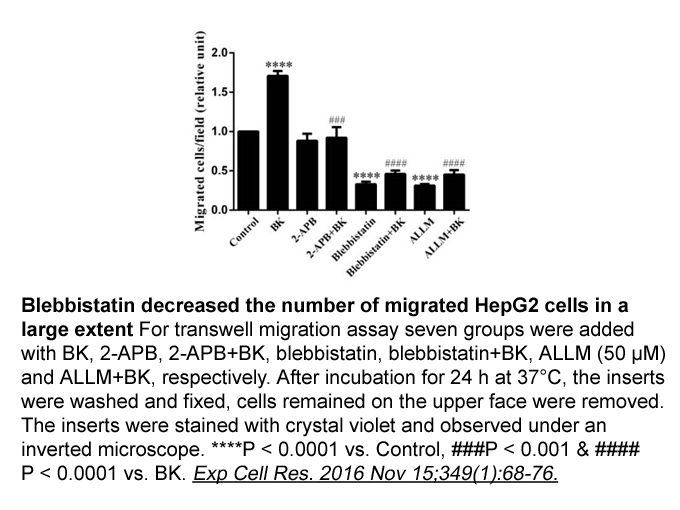
Funding Conflict of interest statement References and recommended reading Papers of particular interest, published within the period of review, have been highlighted as: Acknowledgements Introduction Recent papers have shown that Interferon-free hepatitis C virus (HCV) therapies with
-
Compared with the tetrazole derivative the potency of analog
2022-05-04
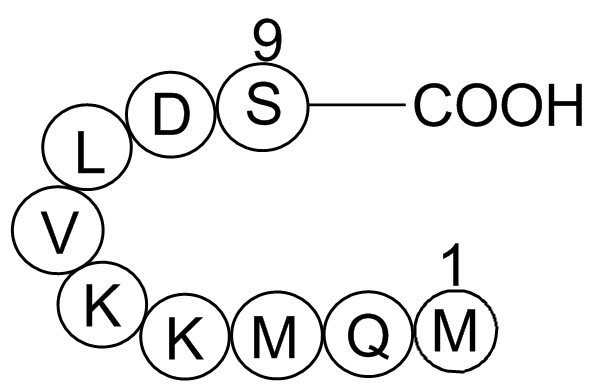
Compared with the tetrazole derivative , the potency of analogs – was 3- to 17-fold improved. Of the range of heterocycles prepared, 1,2,4-thiadiazol-5(4)-one and 1,3,4-oxadiazol-2(3)-one showed the best potencies of 0.52μM and 0.61μM, respectively. Introduction of a second hydrogen bond donor, su
-
A second feature of the Ras type GTPases
2022-05-04
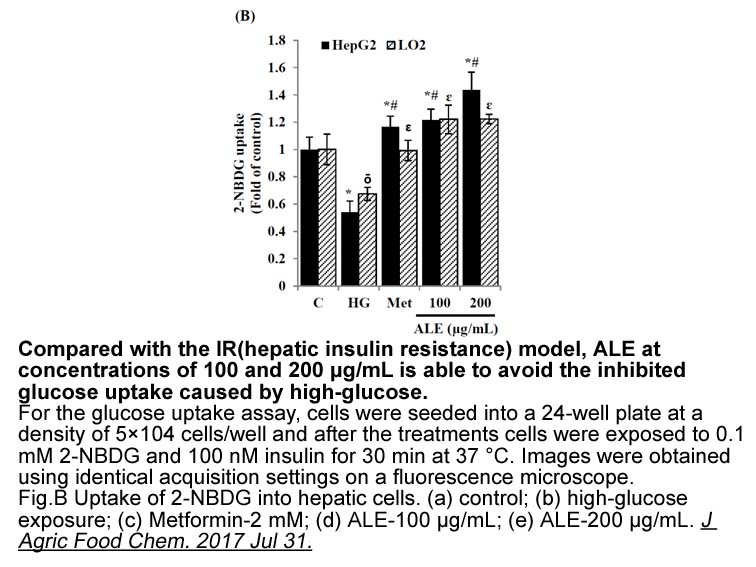
A second feature of the Ras-type GTPases is that their ‘on’ and ‘off’ states are temporally and often spatially separated from one another. This feature is essential for GTPases mediating signaling and other processes that need to be kept ‘off’ until the arrival of signaling cues. The need to recrui
-
Increasing number of experimental data reveal that both
2022-05-04
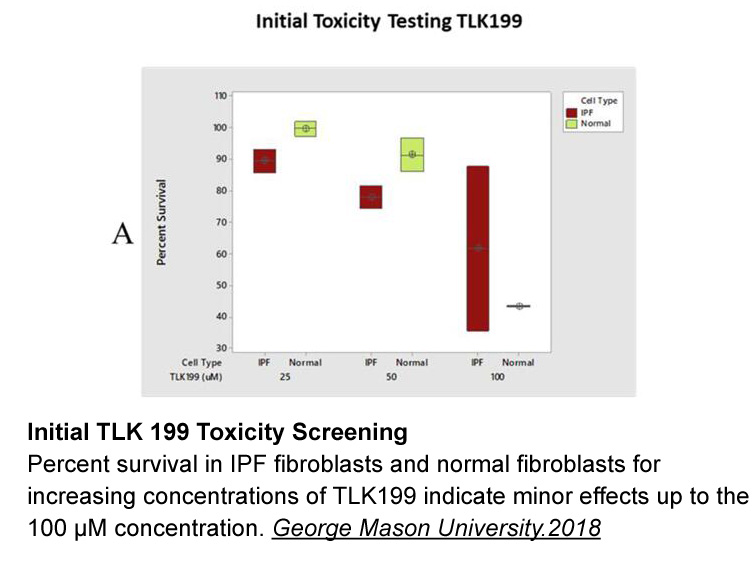
Increasing number of experimental data reveal that both ROS and RNS are multifunctional molecules playing a substantial role in plant physiology and particularly in seed biology (Bailly et al., 2008; Šírová et al., 2011; Yu et al., 2014). Dual function of RNS can be described by the model of “nitros
-
IC is a rat mAb specifically
2022-05-04
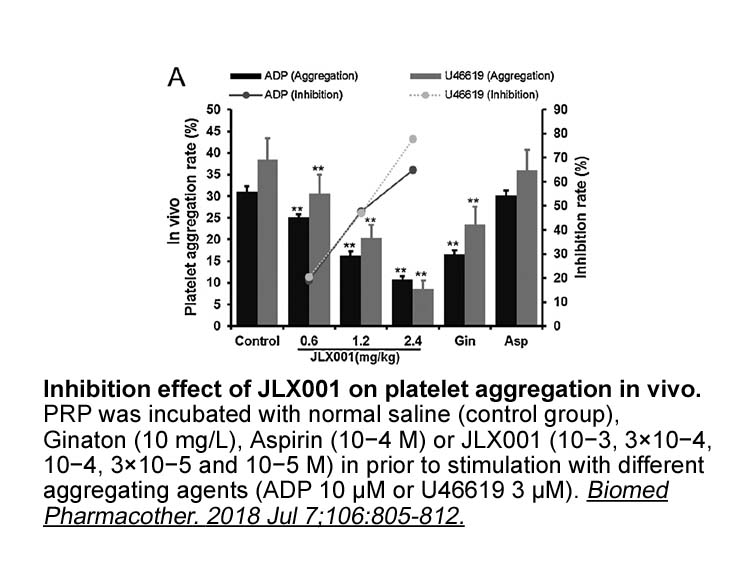
IC2 is a rat mAb specifically binding to insulin granula [127,128]. Although this mAb was discovered 30 years ago, it has only recently been used for β-cell imaging in vivo. Moore et al. used this mAb for β-cell imaging in 2001 [129]. After DTPA conjugation, IC2 was labeled with 111In. Both in vitro
-
Excessive adiposity is also a key
2022-05-04
Excessive adiposity is also a key pathogenic factor in the development of CVD. Through reductions in bodyweight, GPR120 agonism is therefore also implicated as a potential therapy for obesity and heart and vessel disease. In addition to weight loss, when compared with their wild-type littermates, GP
-
To effectively evaluate prospective mechanisms
2022-05-04
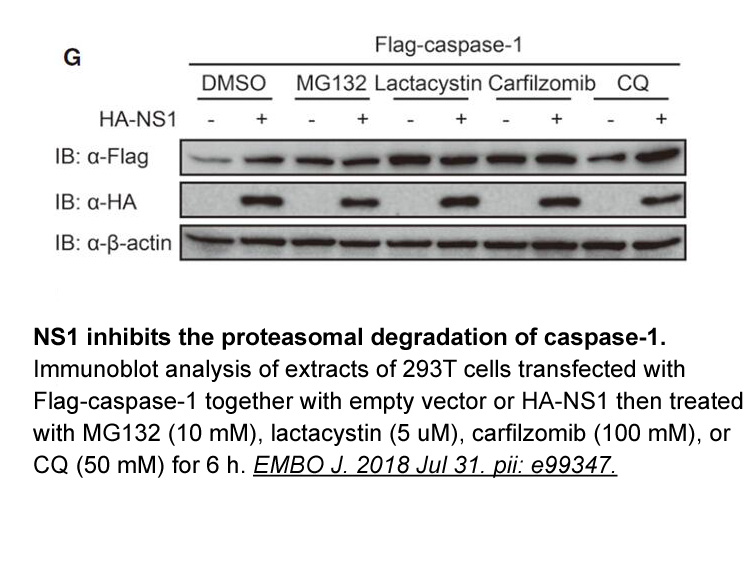
To effectively evaluate prospective mechanisms by which chronic HIV infection induces pulmonary fibrotic changes in humans, we confirmed that predisposition to fibrotic change in older individuals could be mimicked in a mouse model. Hydroxyproline is a nonessential amino PR171 australia required for
-
Pregnancy per AI results at days post TAI
2022-05-04
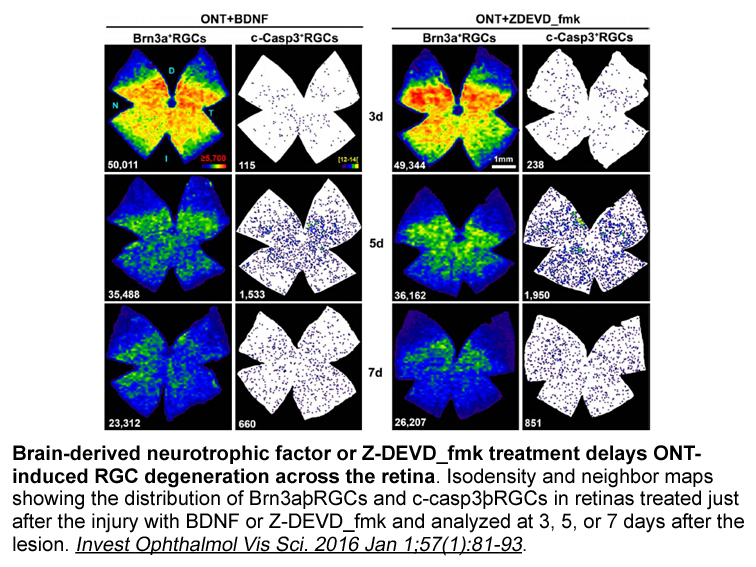
Pregnancy per AI results at 32 days post TAI tended to differ among GnRH products and was greater for FER and CYS than FAC according to the Tukey-grouping analysis statistical approach (Table 1). In addition, P/AI was greater for cows treated with gonadorelin diacetate products than for cows treated
-
Overall our results indicated the involvement of GABAAR in
2022-05-04
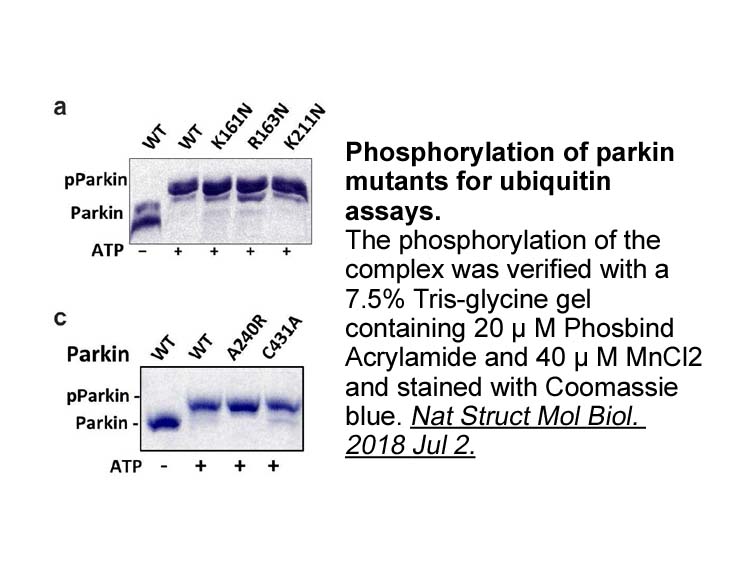
Overall, our results indicated the involvement of GABAAR in controlling GnRH/LH release through mechanism which included GABA action on molecular processes leading to GnRH biosynthesis. This is consistent with previous in vivo [14,54] and in vitro [55] studies in ewes suggesting that GABA inhibits G
-
Finally we investigated if calpain truncation affects GlyT
2022-05-04
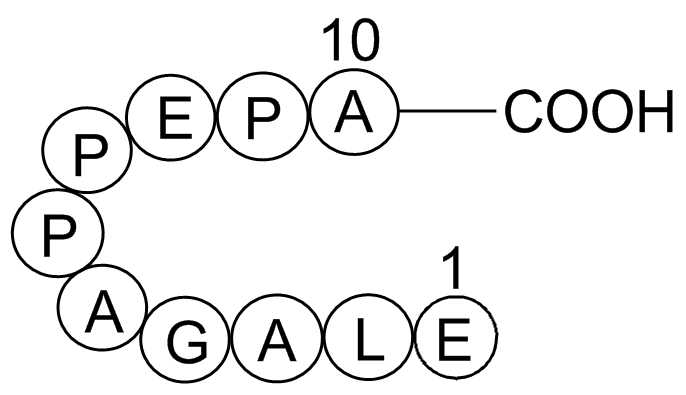
Finally, we investigated if calpain truncation affects GlyT1 turnover and trafficking. To simulate calpain cleavage at the T602/T603 and G626/S627 sites we constructed GlyT1 transporters missing the last 12 and 36 amino acids. Since the 36 amino gnrh agonists truncation also removes all C-terminal
8712 records 510/581 page Previous Next First page 上5页 506507508509510 下5页 Last page