Archives
- 2026-10
- 2026-09
- 2026-08
- 2026-07
- 2026-06
- 2026-05
- 2026-04
- 2026-03
- 2026-02
- 2026-01
- 2025-12
- 2025-11
- 2025-10
- 2025-09
- 2025-03
- 2025-02
- 2025-01
- 2024-12
- 2024-11
- 2024-10
- 2024-09
- 2024-08
- 2024-07
- 2024-06
- 2024-05
- 2024-04
- 2024-03
- 2024-02
- 2024-01
- 2023-12
- 2023-11
- 2023-10
- 2023-09
- 2023-08
- 2023-07
- 2023-06
- 2023-05
- 2023-04
- 2023-03
- 2023-02
- 2023-01
- 2022-12
- 2022-11
- 2022-10
- 2022-09
- 2022-08
- 2022-07
- 2022-06
- 2022-05
- 2022-04
- 2022-03
- 2022-02
- 2022-01
-
To effectively evaluate prospective mechanisms by which
2022-01-03
To effectively evaluate prospective mechanisms by which chronic HIV infection induces pulmonary fibrotic changes in humans, we confirmed that predisposition to fibrotic change in older individuals could be mimicked in a mouse model. Hydroxyproline is a nonessential amino 5-EdU required for the synt
-
We also observed a significantly higher SLC A
2022-01-03
We also observed a significantly higher SLC10A1 gene expression and NTCP protein level among metastatic individuals vs. donor livers. Na+/taurocholate co-transporting polypeptide (NTCP), which is expressed on the basolateral membrane of hepatocytes and is primarily responsible for the uptake of bile
-
Ginger derived glycoproteins contain a
2022-01-03
Ginger-derived Ac-Endothelin-1 (16-21), human contain a variety of functional components, including specific phenolic compounds, purine compounds, and bioactive polysaccharides. Moreover, glycoproteins belong to the glycoconjugates, which combine some of the properties of polysaccharides and protei
-
In this study we examined
2022-01-03
In this study, we examined whether zebrafish ionocytes might also share other types of similarity in transport function with kidney cells. In addition to ion transport, mammalian kidney CEP-32496 also play key roles in xenobiotic elimination, through the action of ATP-Binding Cassette (ABC) transpor
-
Introduction As per WHO report in more
2022-01-03
Introduction As per WHO report, in 2014 more than 422 million peoples were living with diabetes and according to International Diabetes Federation, by 2045 this figure would reach 693 million [1,2]. Diabetes, a fast growing major health problem, is common chronic, metabolic disease characterized by
-
In summary our findings provide the evidence
2022-01-03
In summary, our findings provide the evidence and the mechanistic understanding of the protective effects of GIP receptor agonist, D-Ala2GIP, in the MPTP-induced neurotoxicity in mice. The observed protective effects are potentially due to reduced oxidative stress and attenuation of dopamine loss in
-
Most of the above mechanisms are implicated in attenuation
2022-01-03
Most of the above mechanisms are implicated in attenuation of myocardial I/R injury. However, the role of GalR2 receptor activation in cardioprotection remains unclear because of the lack of receptor subtype selectivity of peptides G2 and G3. It has been shown that Ala5-galanin (2–11) (G4) has a hig
-
A comparison of our results with literature data on the
2022-01-03
A comparison of our results with literature data on the action of pregnane and androstane steroids on the functional activity of NMDAR, GABAAR and GlyR enables us to draw the following conclusions. First, androstane steroids (with no substituents at C-17) at a concentration up to 50 μM do not affect
-
br Conflict of interest br
2022-01-03
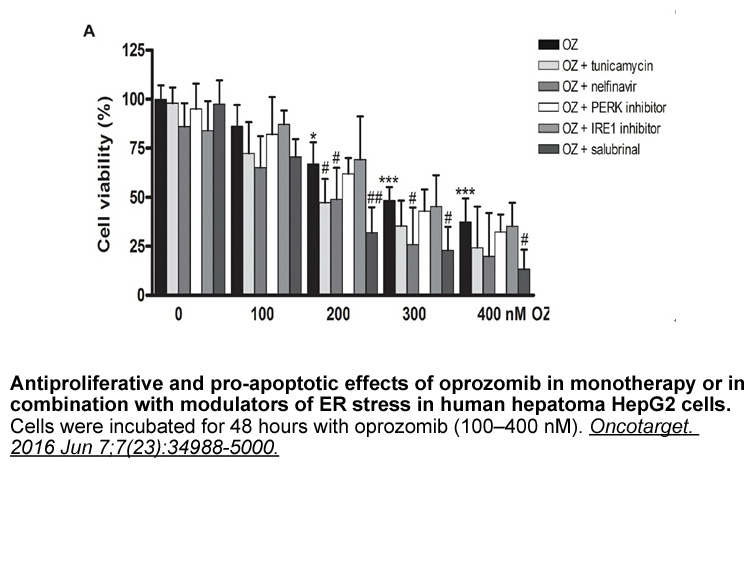
Conflict of interest Acknowledgments The research was funded by the Major Programs of Pharmaceutical research project of Jiangsu Province (Q2018044). Introduction Lipids are important regulators of cell death. In mammalian cells, both apoptotic and non-apoptotic cell death pathways can be
-
Senger et al performed a retrospective review of
2022-01-03
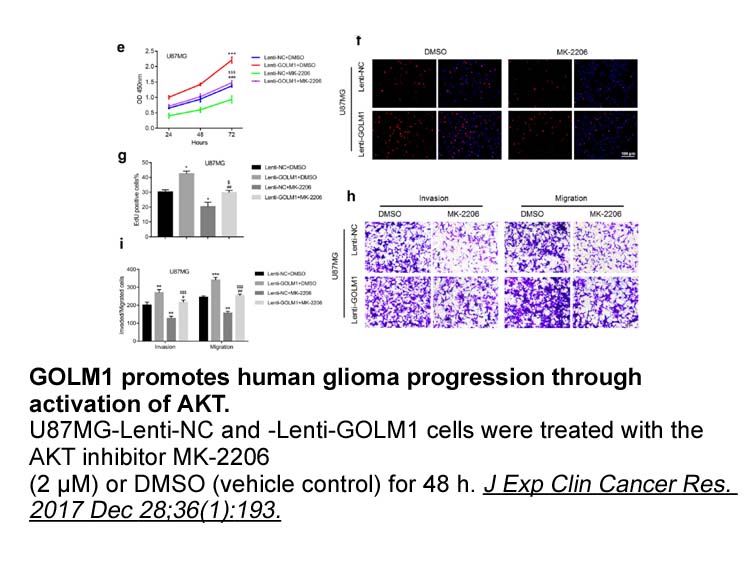
Senger et al. performed a retrospective review of 17 patients with ICH on dabigatran or rivaroxaban who received 4F-PCC. Eight patients had a traumatic cholesterol absorption inhibitors injury (TBI) and nine patients had a spontaneous ICH. Nine patients had a devastating outcome, including severe ne
-
In the current study Olfml knockdown increased YAP
2022-01-03
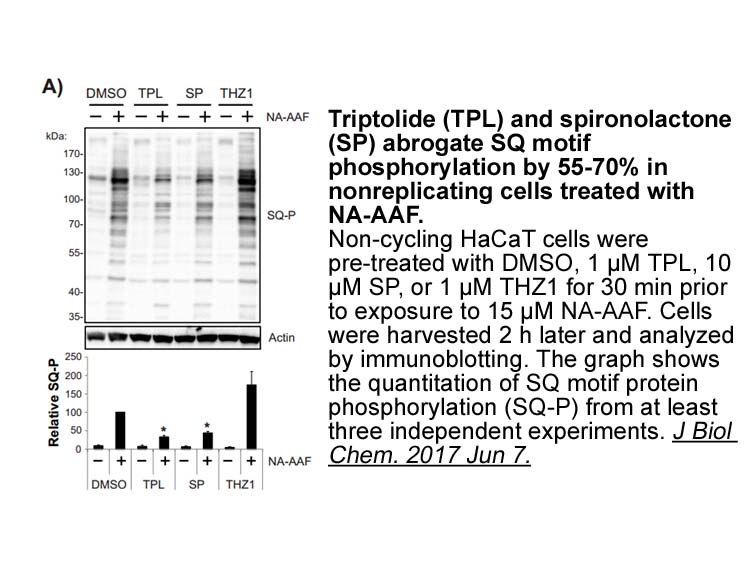
In the current study, Olfml1 knockdown increased YAP but decreased the respective target genes of canonical Wnt signaling and Hedgehog signaling, Axin2 and Gli1. YAP suppresses canonical Wnt via binding to Dishevelled and/or β-catenin [[39], [40], [41], [42]]. Tariki et al. reported that adenovirus-
-
The primary physiological role of the
2022-01-03
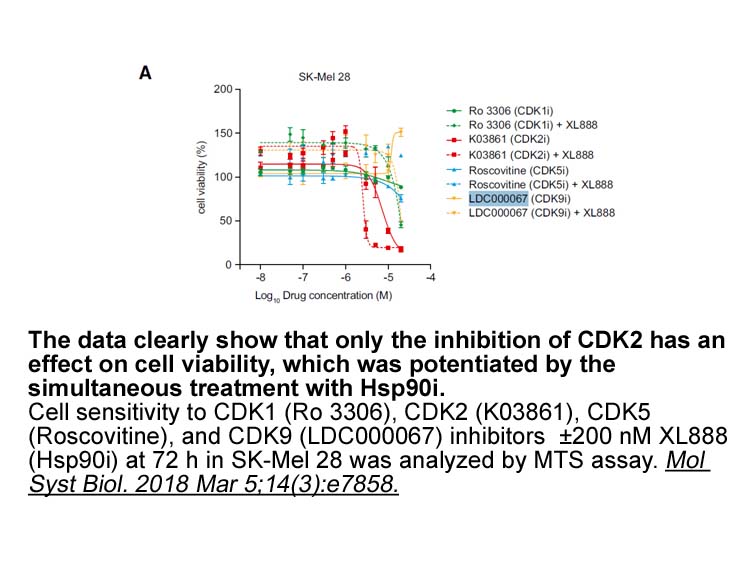
The primary physiological role of the HO system is the protection of Purmorphamine synthesis from oxidative stress. These cytoprotective effects are attributable both to the degradation of the pro-oxidant heme and to the positive contribution of the metabolites produced during this degradation, name
8712 records 581/581 page Previous First page 上5页 581