Archives
- 2026-06
- 2026-05
- 2026-04
- 2026-03
- 2026-02
- 2026-01
- 2025-12
- 2025-11
- 2025-10
- 2025-09
- 2025-03
- 2025-02
- 2025-01
- 2024-12
- 2024-11
- 2024-10
- 2024-09
- 2024-08
- 2024-07
- 2024-06
- 2024-05
- 2024-04
- 2024-03
- 2024-02
- 2024-01
- 2023-12
- 2023-11
- 2023-10
- 2023-09
- 2023-08
- 2023-07
- 2023-06
- 2023-05
- 2023-04
- 2023-03
- 2023-02
- 2023-01
- 2022-12
- 2022-11
- 2022-10
- 2022-09
- 2022-08
- 2022-07
- 2022-06
- 2022-05
- 2022-04
- 2022-03
- 2022-02
- 2022-01
- 2021-12
- 2021-11
- 2021-10
- 2021-09
- 2021-08
- 2021-07
- 2021-06
- 2021-05
- 2021-04
- 2021-03
- 2021-02
- 2021-01
- 2020-12
- 2020-11
- 2020-10
- 2020-09
- 2020-08
- 2020-07
- 2020-06
- 2020-05
- 2020-04
- 2020-03
- 2020-02
- 2020-01
- 2019-12
- 2019-11
- 2019-10
- 2019-09
- 2019-08
- 2019-07
- 2019-06
- 2019-05
- 2019-04
- 2018-07
-
In conclusion we propose that UBE T FANCT mutations
2020-05-14
In conclusion, we propose that UBE2T (FANCT) mutations define a FA subtype. This is also a rare example of a mutated E2 enzyme causing an inherited human disorder, like UBE2A. The p.Gln2Glu substitution is probably hypomorphic, as indicated by the fact that a siUBE2T knockdown made AP65P-hTERT Free
-
Mono and bi ubiquitination of two lysines namely K
2020-05-14
Mono- and bi-ubiquitination of two lysines, namely K70 and K76, in a small fraction of p33 replication co-factor has been demonstrated in yeast (Barajas and Nagy, 2010, Li et al., 2008). Because mutations of these lysines reduced TBSV repRNA replication in yeast and affected the ability of p33 to in
-
br Activity based probes br Characterization of coronavirus
2020-05-14
Activity-based probes Characterization of coronavirus-encoded DUBs with activity-based probes To study the activity of specific DUBs, investigators frequently take advantage of the ~10kDa (monoUb or Ubl ABP) or ~20kDa (DiUb ABP) increase in MW on probe labeling. SDS-PAGE analysis or blotting f
-
Coumarin Enterobacteriaceae are gram negative rods that incl
2020-05-14
Enterobacteriaceae are gram negative rods that include the Escherichia coli and Shigella. There are several DNA ligases posted on the GenBank belong mostly to Enterobacteria phages, such as the T4 bacteriophage [30]. There are several protein markers used to differentiate between T4 phage superfamil
-
ursolic acid Kuo et al Have shown
2020-05-13
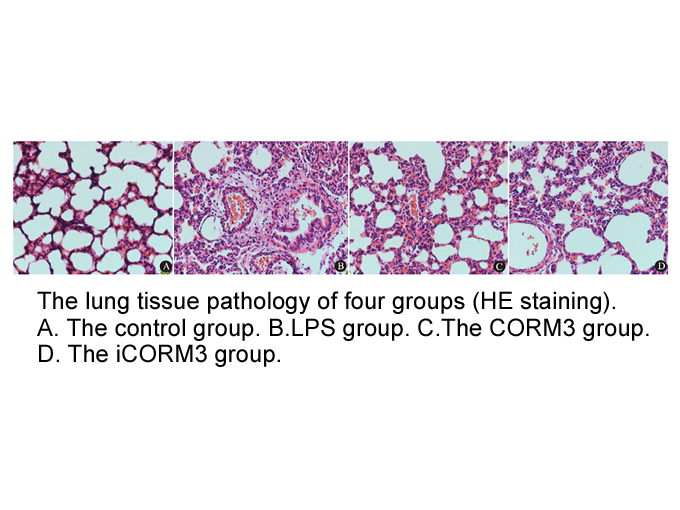
Kuo et al. (2006) Have shown that DAPK1 function in inhibiting microtubule (MT) assembly is through the activation of microtubule affinity-regulating kinases (MARK)/PAR-1 family kinases MARK1/2, which destabilize MT by phosphorylating tau and related MAP2/4. This relation with DAPK1 has demonstrated
-
The intestinal cholesterol absorption markers sitosterol and
2020-05-13
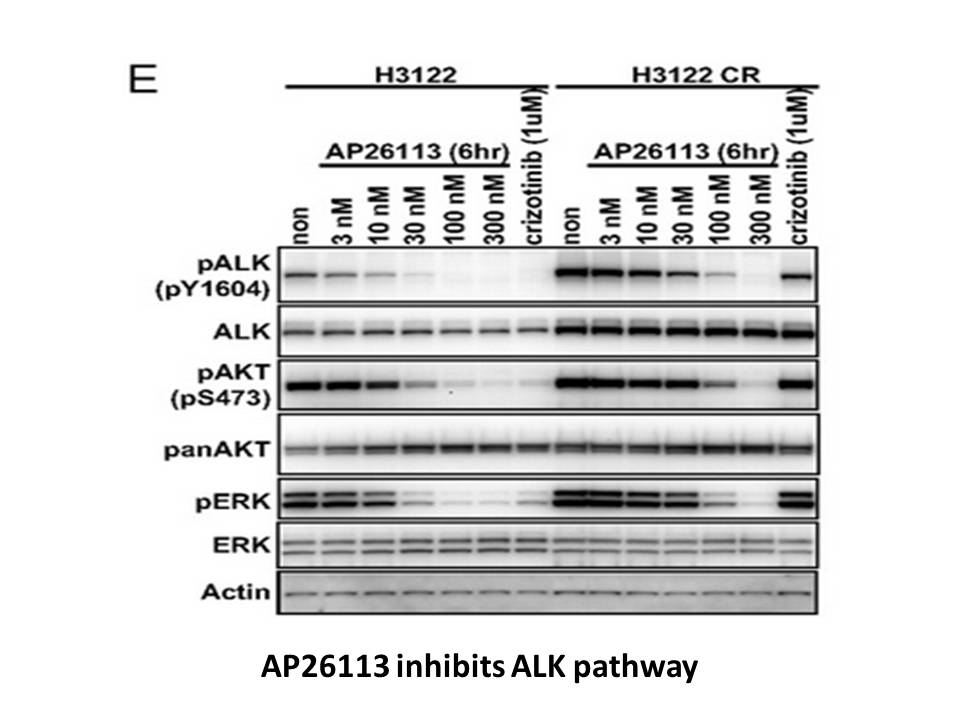
The intestinal cholesterol SU11274 markers sitosterol and campesterol to cholesterol levels were significantly lower in Villin-Tgif1 mice compared to wild type mice, irrespective of diet. However, the decrease was less pronounced in Villin-Tgif1 mice fed a chow diet (∼20–30%) compared to mice fed a
-
Despite many studies having demonstrated the importance of c
2020-05-13
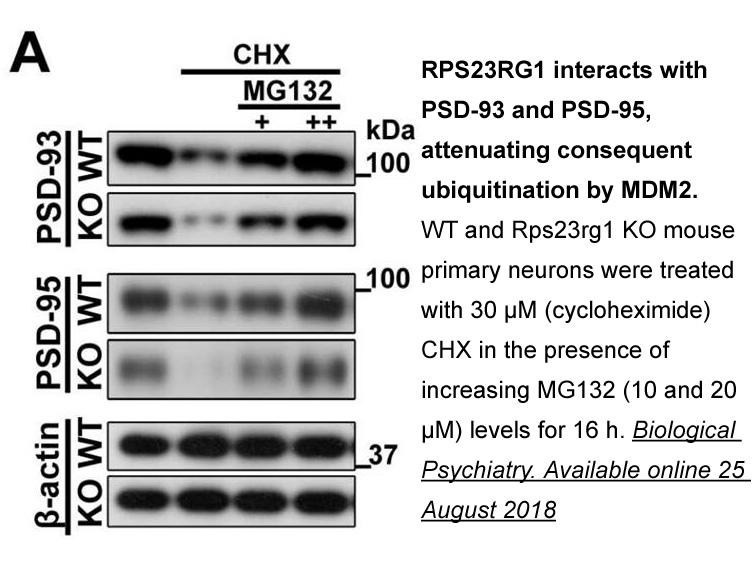
Despite many studies having demonstrated the importance of connexin43 (Cx43), the most abundant connexin in bone cells, for bone development and turnover during the last decade [27], little is currently known about GJIC and Cx43 in primary bone tumors. In this report, we analyzed the specific role o
-
Neutrophils produce high amounts of ROS which act as antimic
2020-05-13
Neutrophils produce high amounts of ROS, which act as antimicrobial agents, signaling molecules or initiators during PMA-induced NET formation. Of the intravenous anesthetics used in this study, propofol was the best at decreasing PMA-induced ROS levels (Fig. 3A and B). Our previous study also demon
-
br Conclusion The preclinical data reported in this study sh
2020-05-13
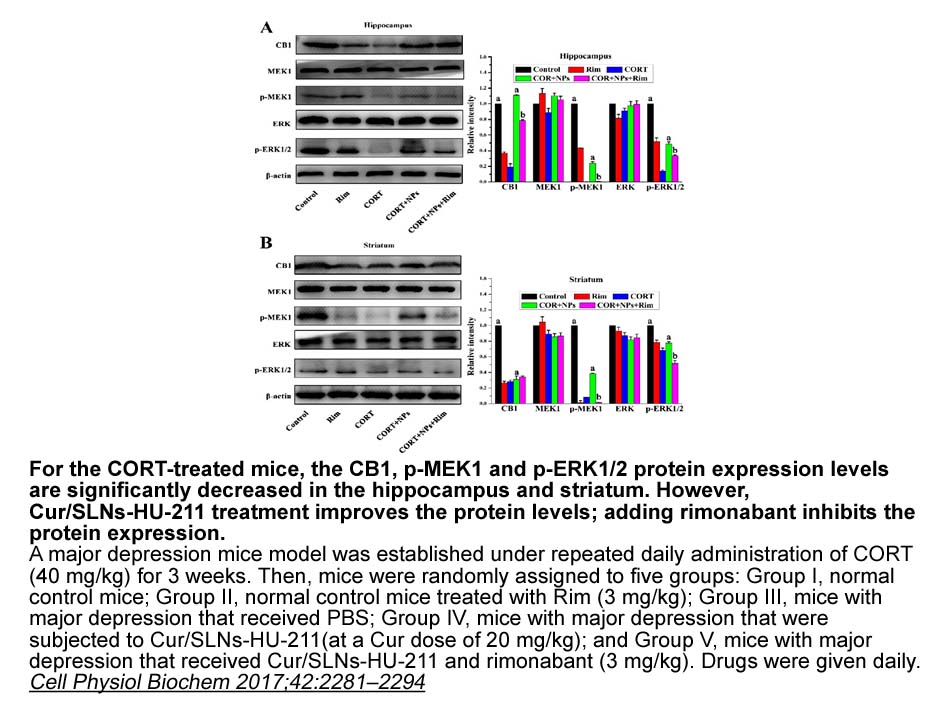
Conclusion The preclinical data reported in this study shows that LAS191859 is a potent and safe CRTh2 antagonist, with a long receptor residence time that provides a sustained in vivo efficacy. This property is reflected in the prolonged duration of action of LAS191859 in in vitro and in vivo fu
-
One strategy which is different from the above is
2020-05-13
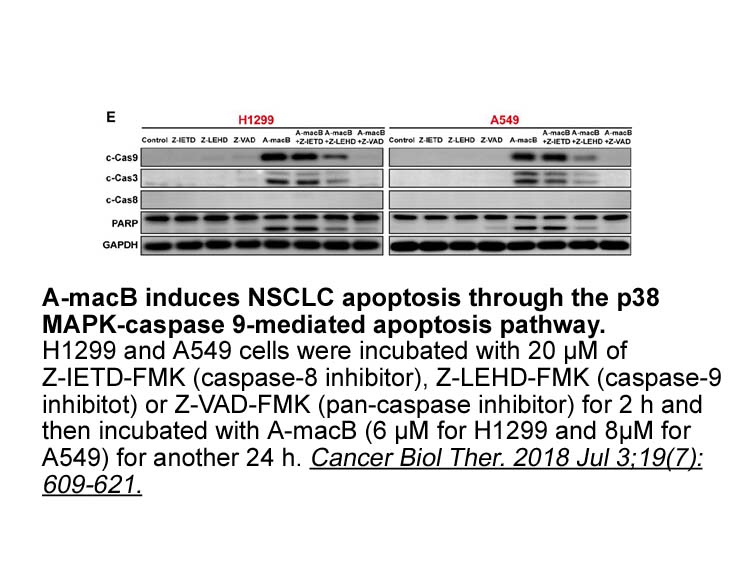
One strategy which is different from the above is to isolate a similar enzyme to the one under study which will not be recognized by the antibody of the original protein. This approach will lead to prolonging an enzyme’s activity. For example, a novel variant of Carboxypeptidase G2 (CPG2), which has
-
trans-AUCB receptor br Results and discussion br Conclusion
2020-05-13
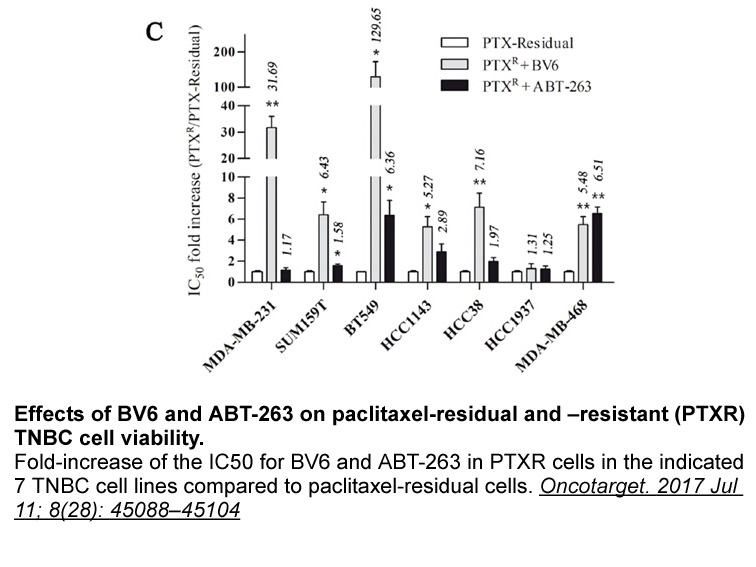
Results and discussion Conclusion Analogues of 1,2,4-triazole and 1,3,4-oxadiazole have been designed, synthesized and characterized. To avoid late stage failure, it is important to study the preliminary pharmacokinetic parameters. The results of pharmacokinetic data suggested that, all molecu
-
EBI is known to play a critical role in
2020-05-13
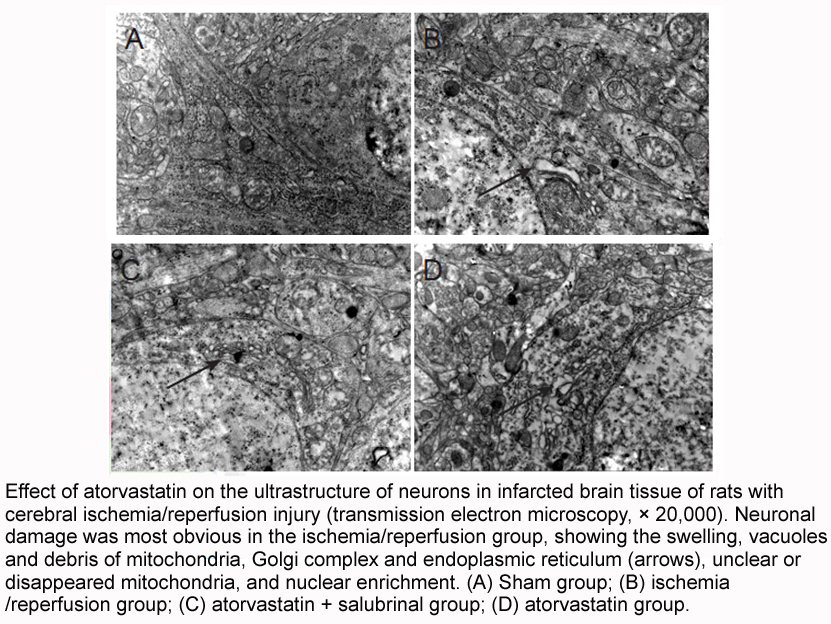
EBI2 is known to play a critical role in the induction of antibody responses in secondary lymphoid tissues.13, 14 However, little is known about the expression and function of EBI2 in human peripheral tissues. To our knowledge, this is the first report of increased EBI2 levels in peripheral tissues
-
77 8 All components of the UPP were
2020-05-12
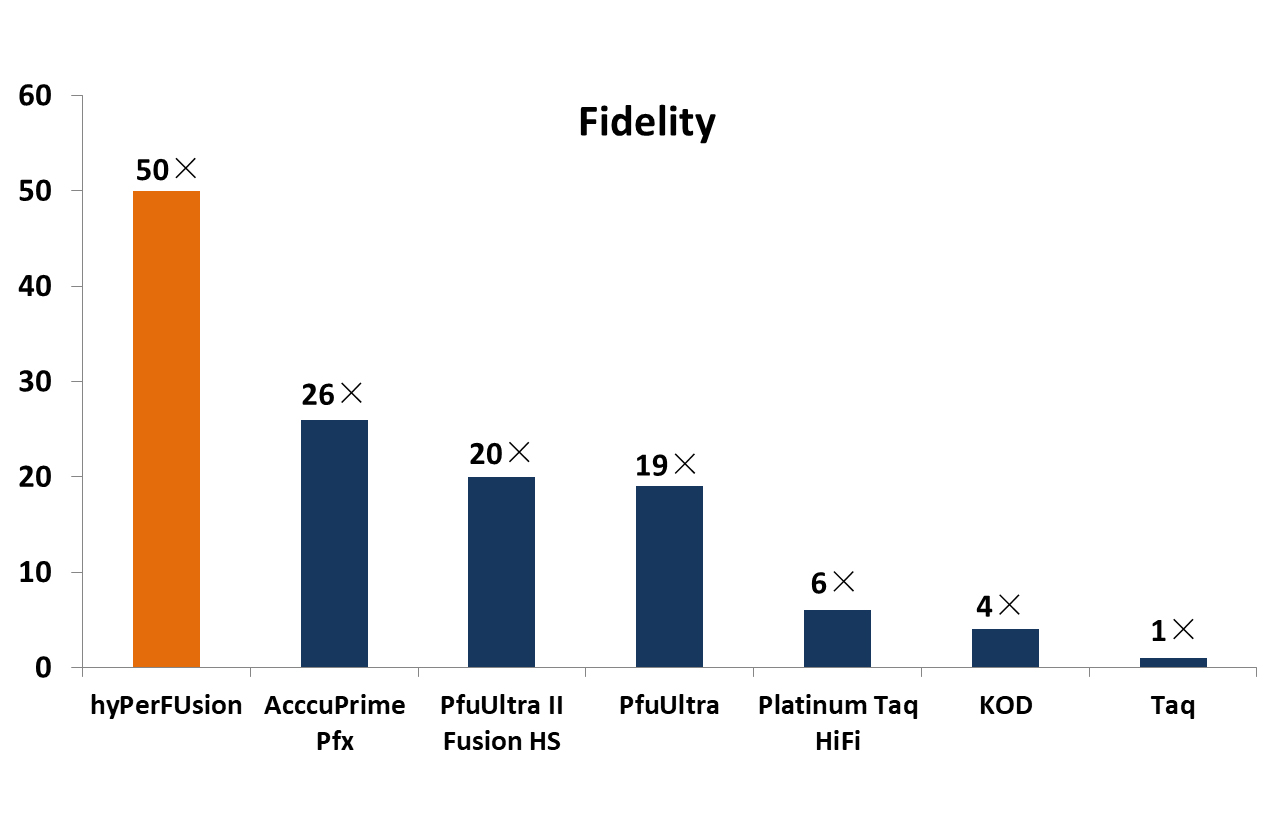
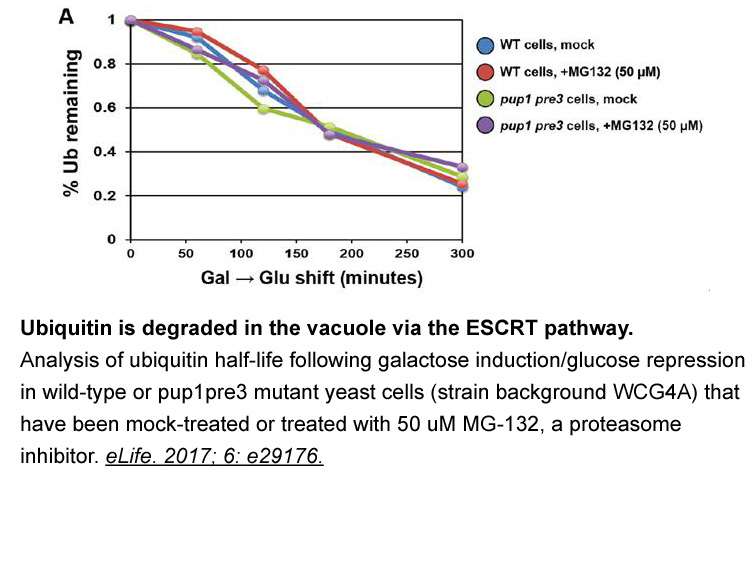
All components of the UPP were predicted to be susceptible to oxidative stress due to the cysteine residues in their active sites [36]. Curcusone D inhibits DUBs but has no significant effect on the action of E1, E2s, E3s, or the proteasome, which indicates that the targets of the ROS induced by cur
-
br Enzymes involved in microbial
2020-05-12
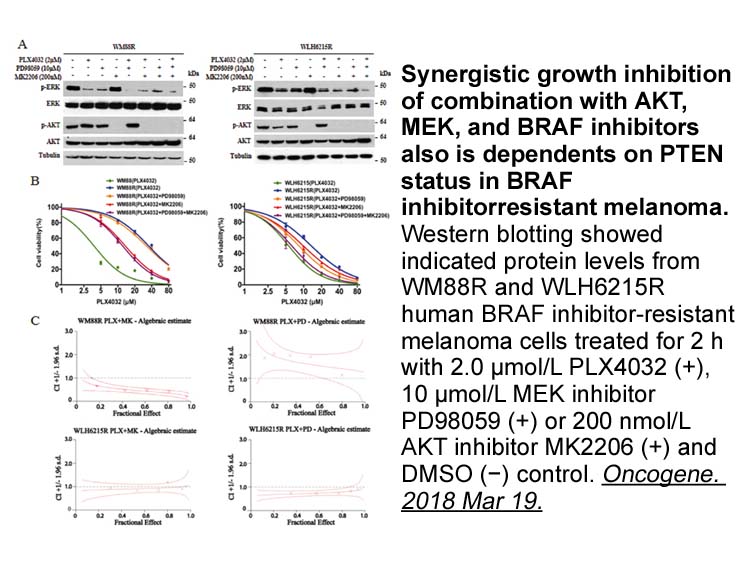
Enzymes involved in microbial steroid degradation are generally not expressed constitutively, but they are upregulated depending on which steroid substrates are present [17,81]. Thus, a cell-free extract prepared from testosterone-adapted C. testosteroni ATCC 11996 cells displayed a 1(2)-dehydroge
-
Zanamivir br Introduction Lung cancer is the
2020-05-12
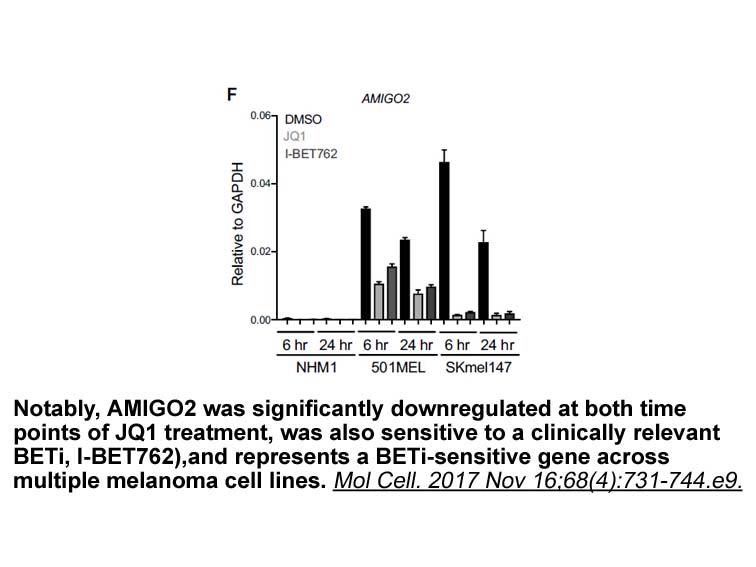
Introduction Lung cancer is the leading cause of cancer-related death worldwide, accounting for more than 1.5 million deaths in 2012. Non–small-cell lung cancers represent approximately 85% of lung neoplasms; among these, squamous cell carcinomas (SCC) account for approximately 30% of cases. The
16402 records 889/1094 page Previous Next First page 上5页 886887888889890 下5页 Last page